Vericent Insights
Latest insights, research, and thought leadership
Australia's Scams Prevention Framework: What 'Reasonable Steps' Now Means for Banks
READ MORE
Money Mule Networks: Why Network-Level Detection Is the Next Line of Defense
READ MORE
Account Takeover Fraud in 2026: Why Real-Time Payments Demand Real-Time Defense
FBI and Nacha data show account takeover fraud accelerating on credit-push payment rails in 2026. See why point-in-time checks fail and what real-time behavioural defense looks like.
READ MORE
Synthetic Identity Fraud in 2026: Why It's Now the Costliest Threat at Onboarding
FinCEN's own 2024–2026 alerts show synthetic identity fraud accelerating fast. See why onboarding is the new battleground, and how continuous behavioral monitoring closes the gap.
READ MORE
Agentic AI Fraud: How Enterprises Can Defend Against Automated Attacks in 2026
Agentic AI is changing how fraud attacks are built and run. See why enterprises need continuous, behavioural, real-time defenses in 2026 and how to get there.
READ MORE
Mule Account Detection 2026: How AI Finds What Monitoring Misses
Money mule cases rose 69% in H1 2026. AI detects mule networks at onboarding and beyond, here is what the FCA found, and what the detection gap is costing institutions.
READ MORE
APP Fraud Liability Shift: What the UK's PSR Reimbursement Rules Mean for Fraud Architecture in 2026
The PSR's mandatory APP fraud reimbursement scheme has changed who pays when fraud succeeds. Here is what the liability shift means for fraud architecture in 2026.
READ MORE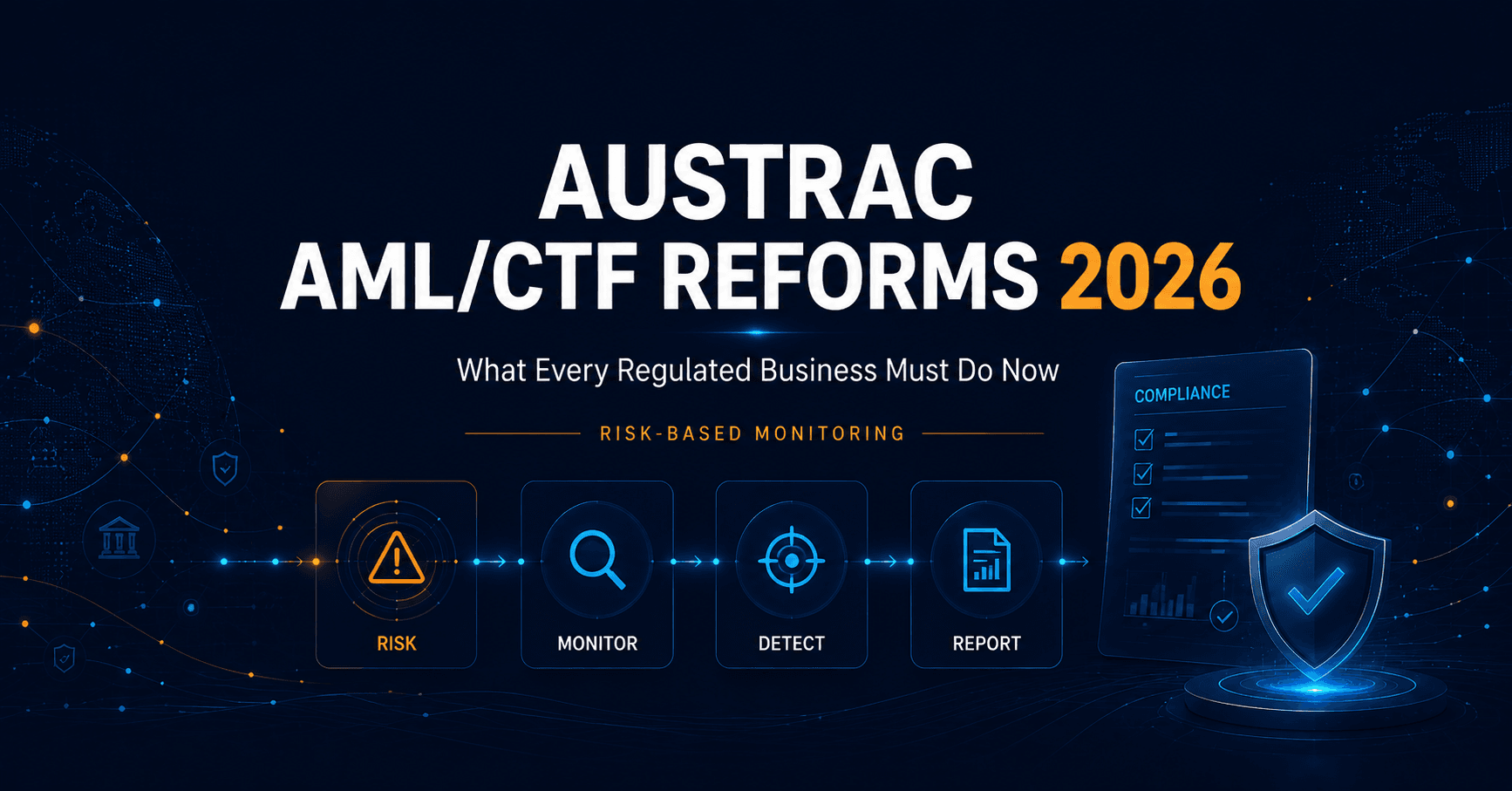
Australia's AML/CTF Framework Has Entered a New Era
Australia's AML/CTF reforms are now live. Learn what changed, who is affected, and why risk-based monitoring is becoming essential for regulated businesses.
READ MORE
The Fraud Landscape in 2027: What AI Anomaly Detection Must Do Next to Stay Ahead
Cybercrime will cost $24 trillion by 2027. Agentic AI fraud is already live. Here is what AI anomaly detection must evolve to do, and what the 2026 data tells us about 2027
READ MORE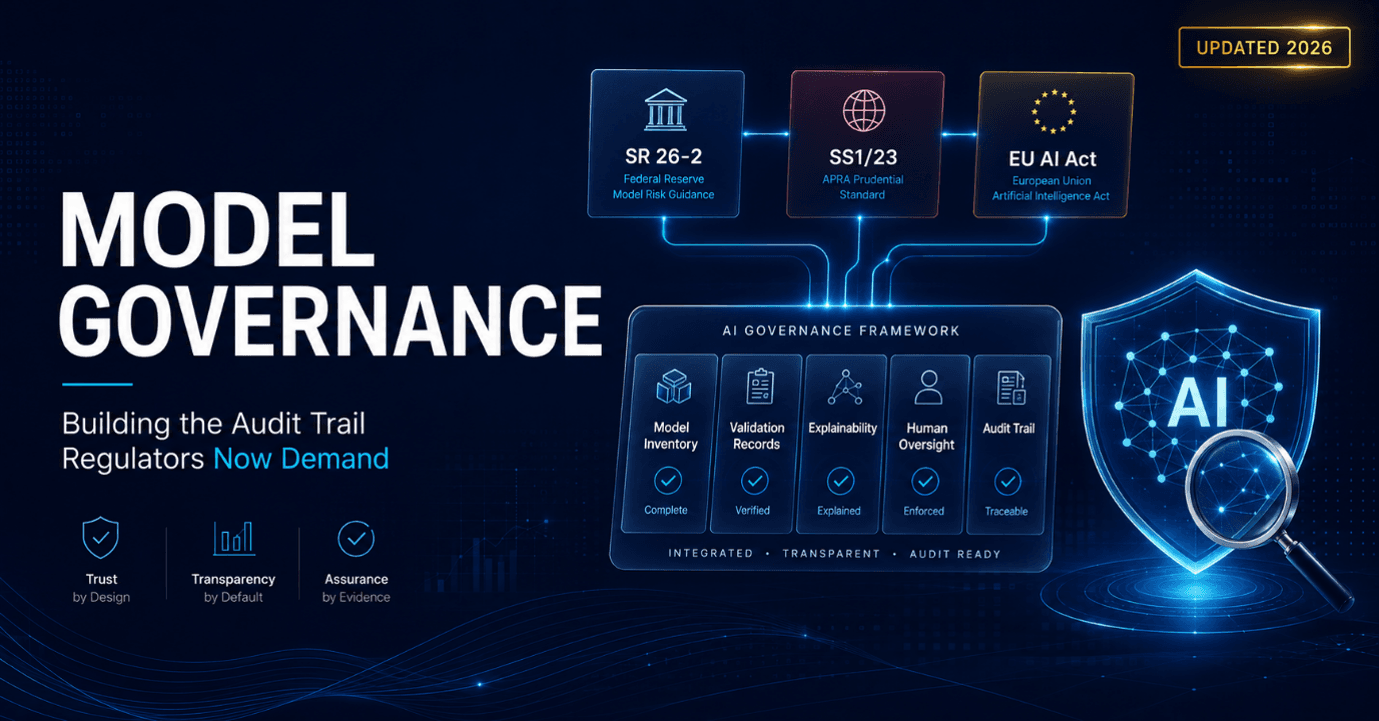
Model Governance for AI Fraud Systems: Building the Audit Trail That Regulators Now Demand
SR 26-2 replaces SR 11-7 in April 2026. SS1/23 and the EU AI Act follow. Regulators now demand explainable, auditable AI fraud models.
READ MORE