Vericent Insights
Latest insights, research, and thought leadership
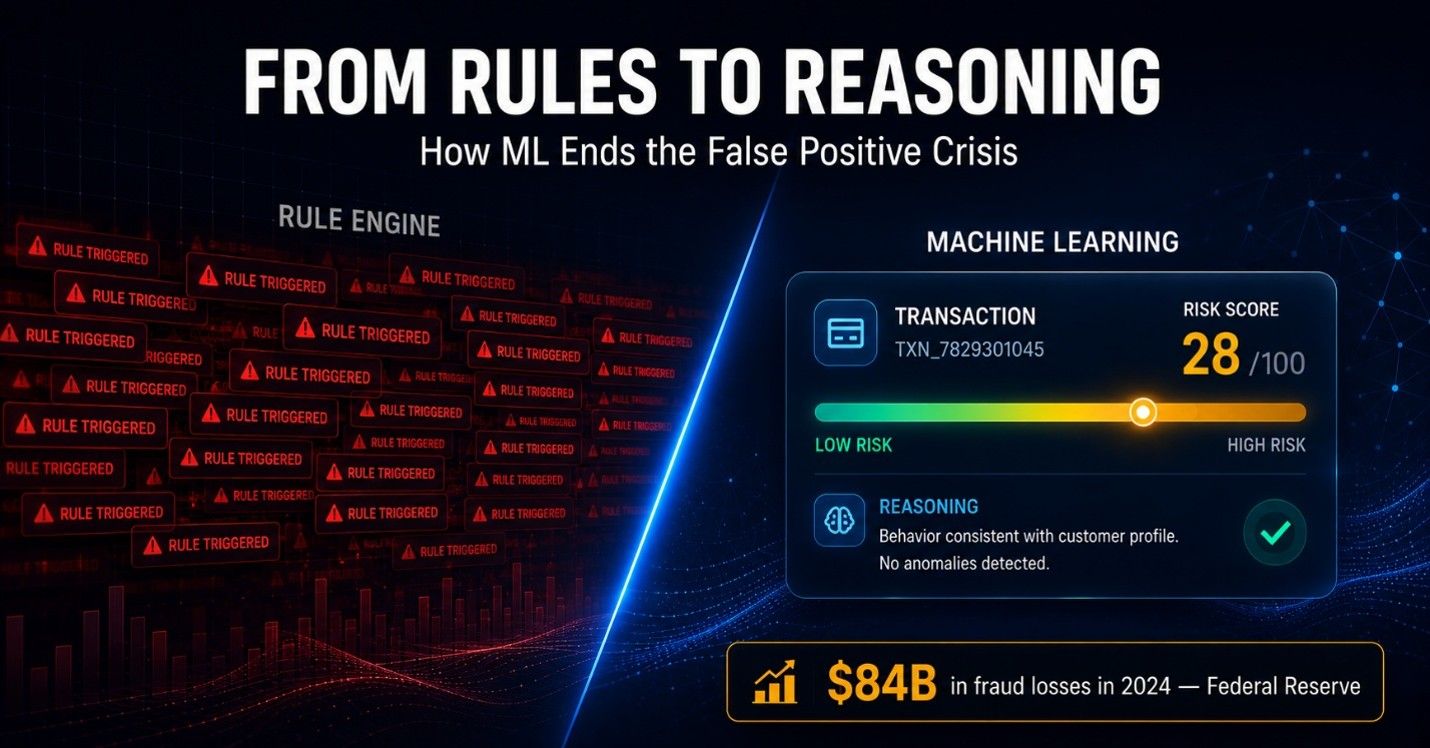
From Rules to Reasoning: How Machine Learning Eliminates the False Positive Crisis in Enterprise Fraud
Rule-based fraud systems generate false positives that cost institutions billions and erode customer trust. Machine learning changes the logic entirely. Here is how.
READ MORE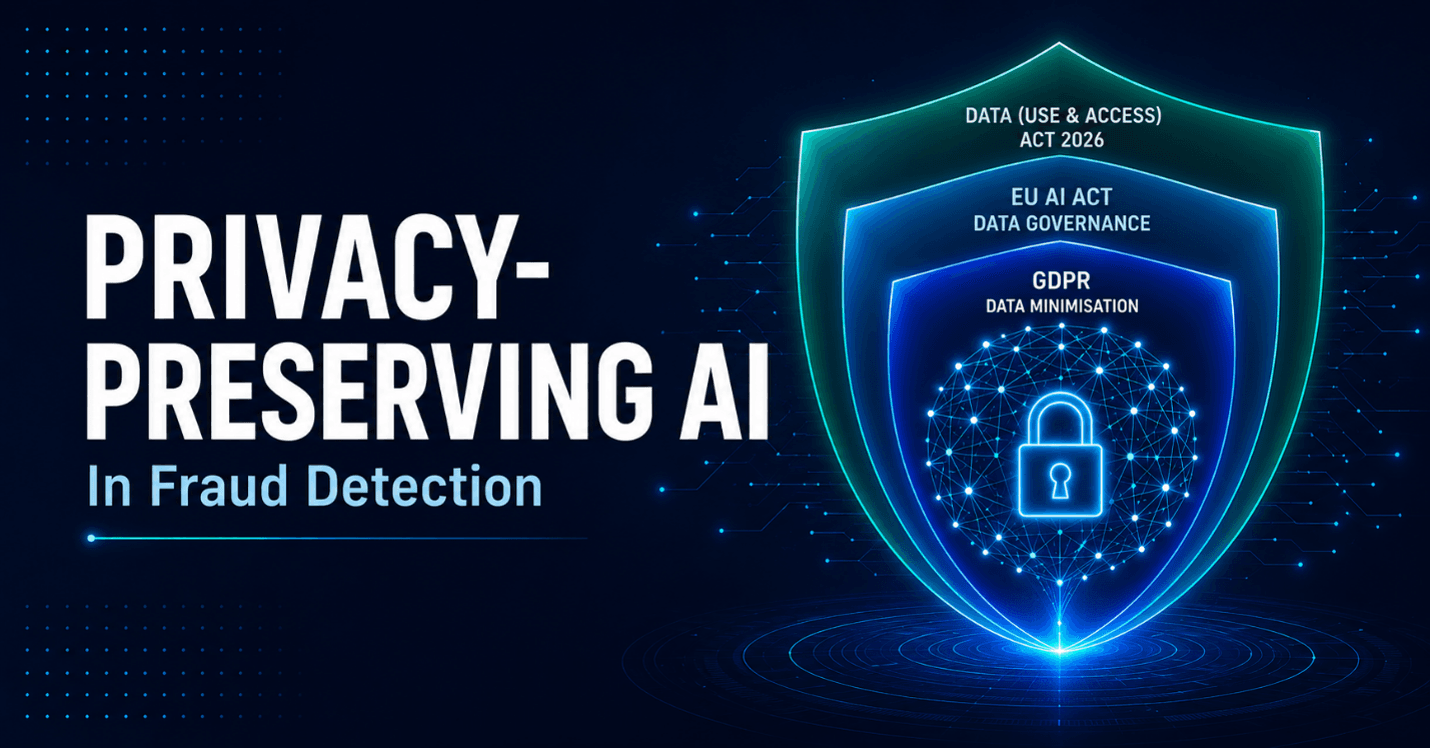
Privacy-Preserving AI in Fraud Detection: How to Build Models That Regulators and Data Teams Both Accept
GDPR, EU AI Act, and fraud detection AI now converge into one compliance challenge. Learn what regulators require, and how privacy-preserving techniques resolve the tension.
READ MORE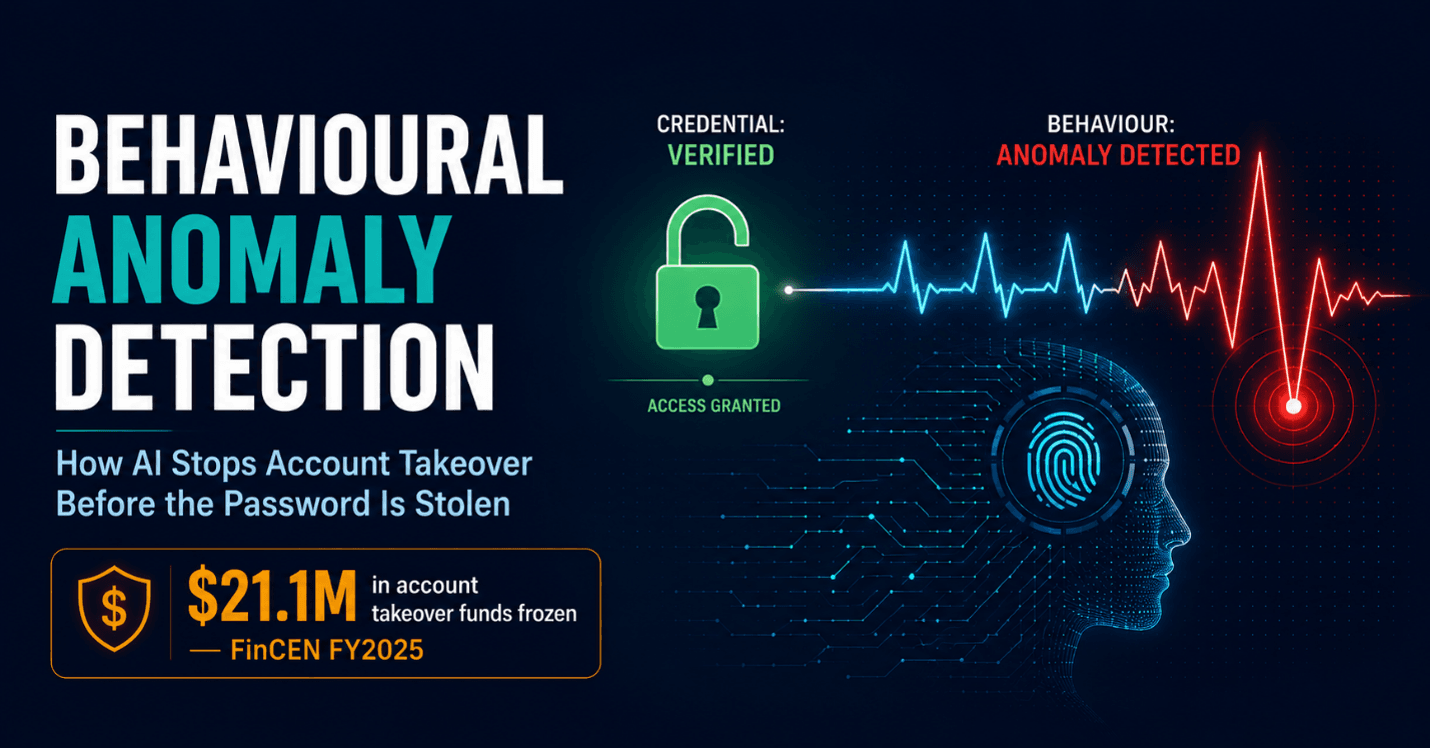
Behavioural Anomaly Detection: How AI Stops Account Takeover Before the Password Is Stolen
Account takeover bypasses passwords entirely. Behavioural anomaly detection flags the attacker before the first fraudulent transaction. See how and why it matters now.
READ MORE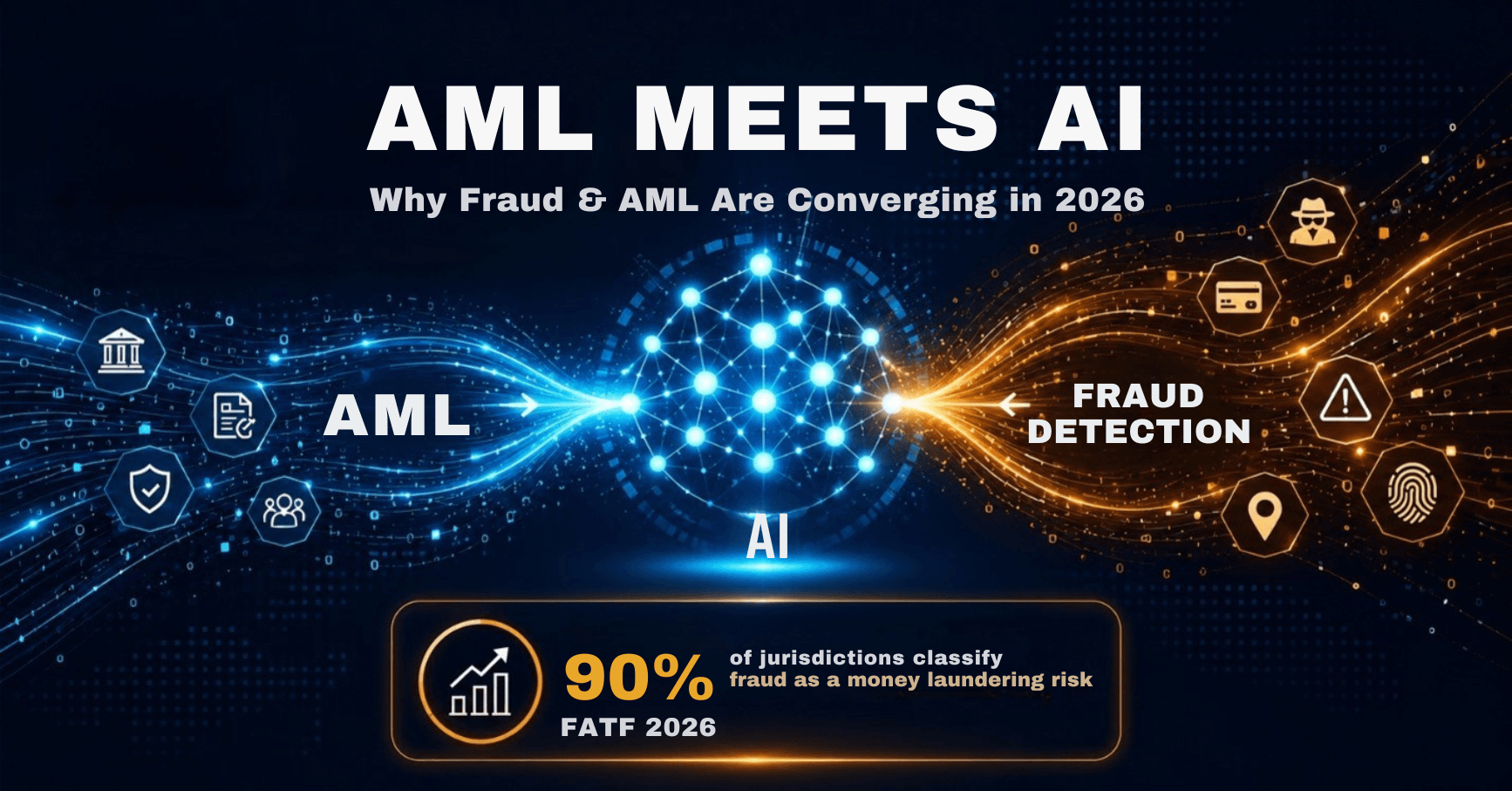
AML Meets AI: Why Fraud Detection and Anti-Money Laundering Are Converging in 2026
156 jurisdictions now classify fraud as a top money laundering risk. Discover why AML and fraud detection are converging in 2026, and how AI is the integration layer.
READ MORE
Real-Time Fraud Monitoring vs Batch Processing: The Architecture Decision That Defines Your Loss Exposure
Real-time fraud monitoring stops fraud before funds leaves. Batch processing detects it after. In 2026, that timing gap costs your organisation, here is the evidence.
READ MORE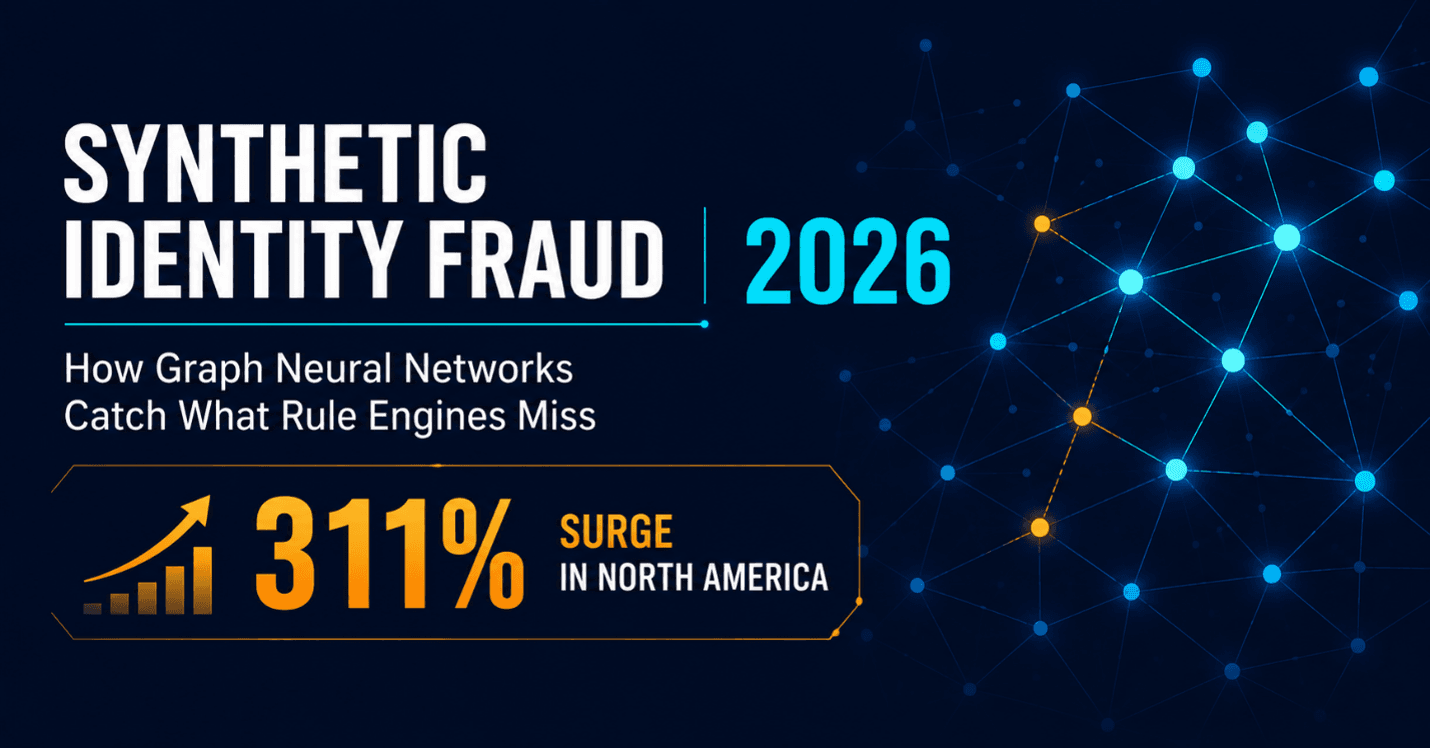
Synthetic Identity Fraud in 2026: How Graph Neural Networks Catch What Rule Engines Miss
Synthetic identity fraud is becoming a major financial crime risk in 2026. Learn how Graph Neural Networks detect fraud networks that traditional rule engines miss with data, implementation realities, and governance implications.
READ MORE
The False Positive Problem: Why Legacy Fraud Detection Is Costing You Twice
False positives in fraud detection create hidden operational and customer costs. Learn why AI-driven fraud monitoring is replacing legacy rule-based systems.
READ MORE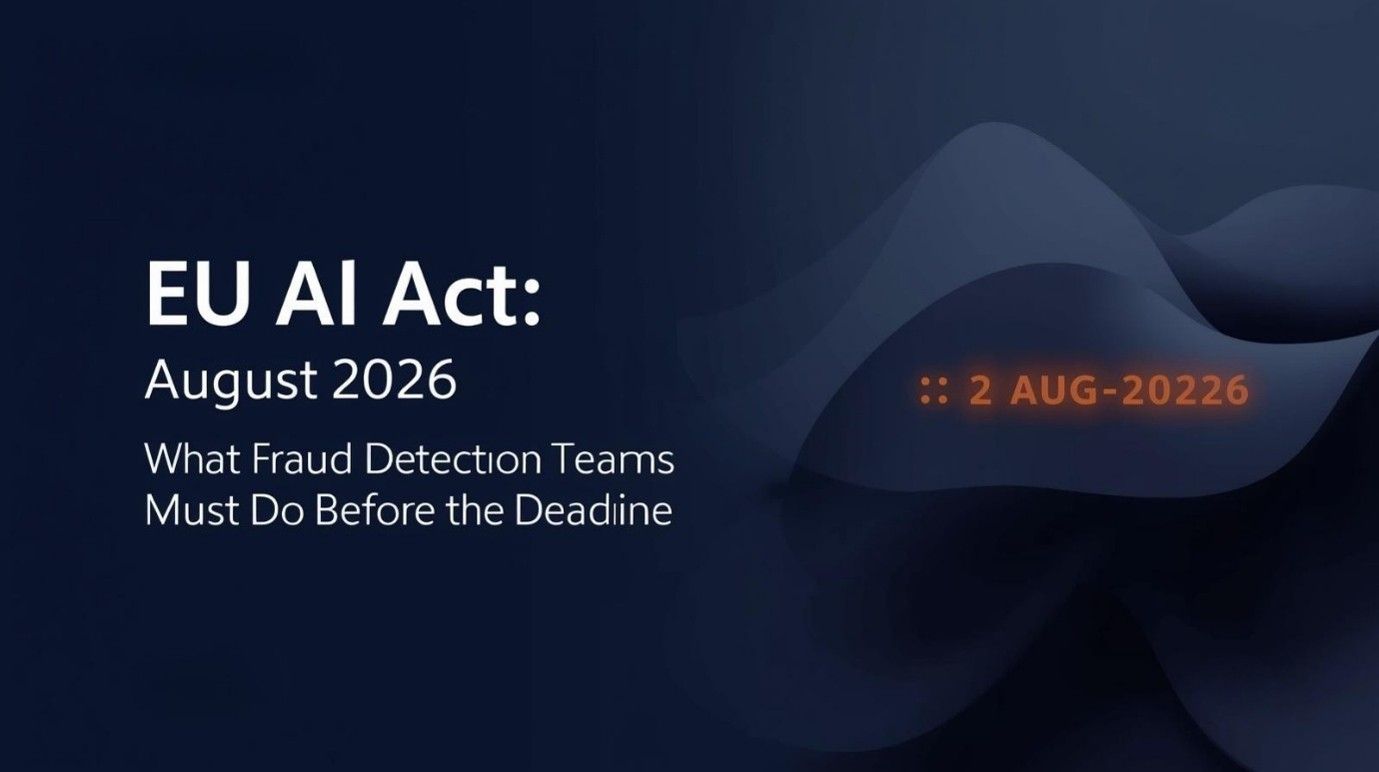
EU AI Act August 2026: What Fraud Detection Teams Must Do Before the Deadline
The EU AI Act becomes enforceable on 2 August 2026. Learn what fraud detection and compliance teams must do to meet AI governance, transparency, and deployer obligations.
READ MORE
Agentic AI in Fraud Detection: What It Is, Why It Matters, and How to Govern It
Discover how agentic AI is transforming fraud detection in 2026 through autonomous investigations, adaptive threat response, and AI governance frameworks. Learn the benefits, risks, and compliance strategies financial institutions need to deploy agentic AI securely.
READ MORE
Deepfake Fraud in 2026: Why AI Anomaly Detection Is Your Last Line of Defence
Discover how deepfake fraud is evolving in 2026 and why AI anomaly detection is becoming the last line of defence against synthetic identity fraud and AI-powered cyber threats.
READ MORE